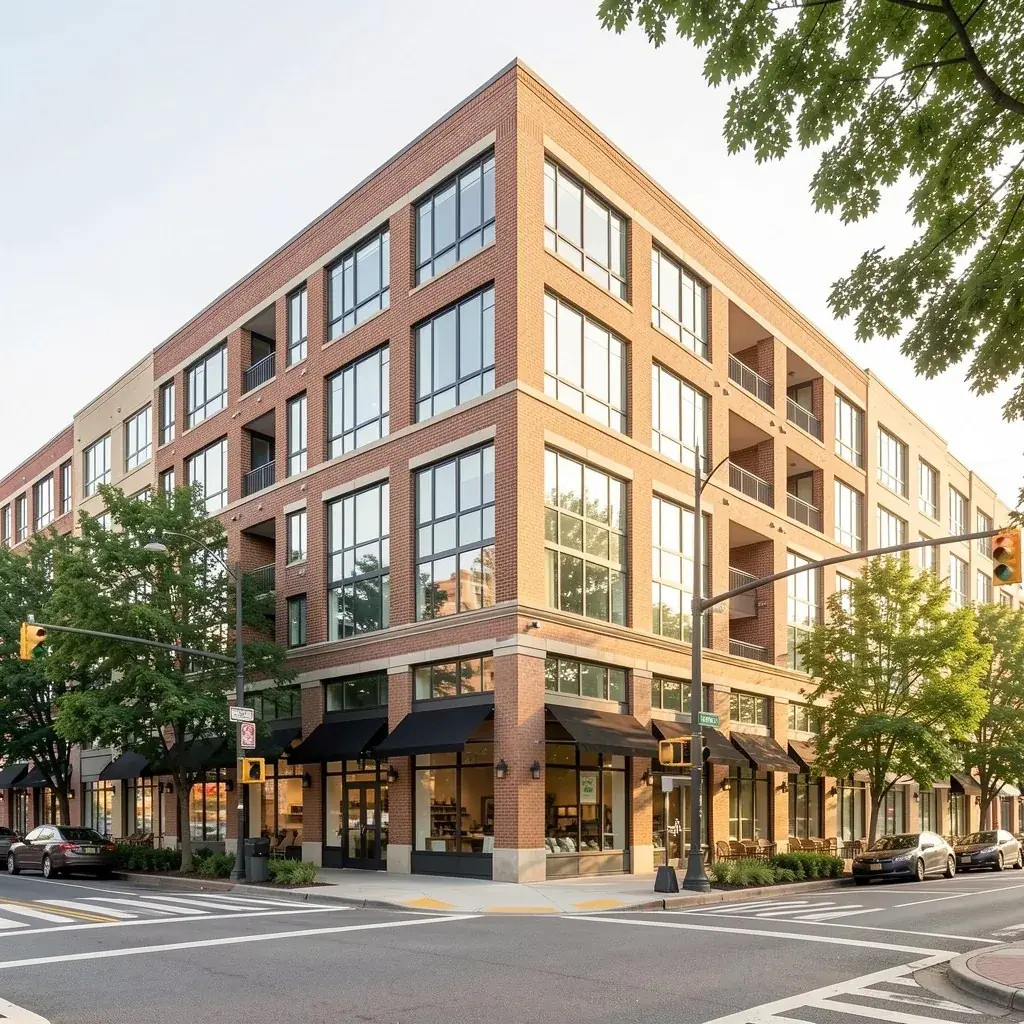

Find your corner of Ottawa.
An independent guide to condo living in Ottawa: what each neighbourhood actually feels like, what to check before you buy, and where the canal, the rivers and the trails meet your front door.
- 16 neighbourhoods compared, from Centretown to Orléans
- Condo fees and status certificates explained in plain language
- No listings, no brokerage, no sales pitch
Ottawa neighbourhoods for condo living
Seven corners to start with. Each card opens the full directory, filtered to that area, with housing types, transit and who it suits.
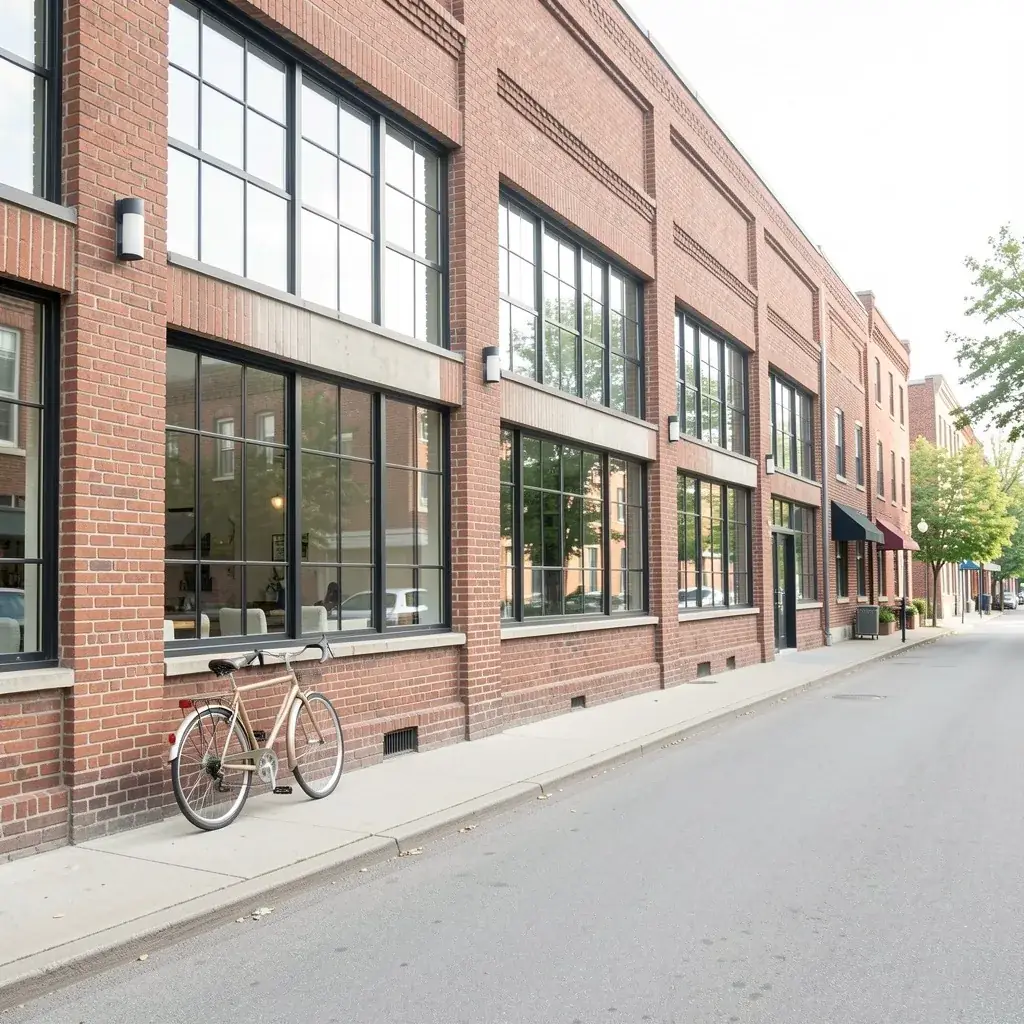
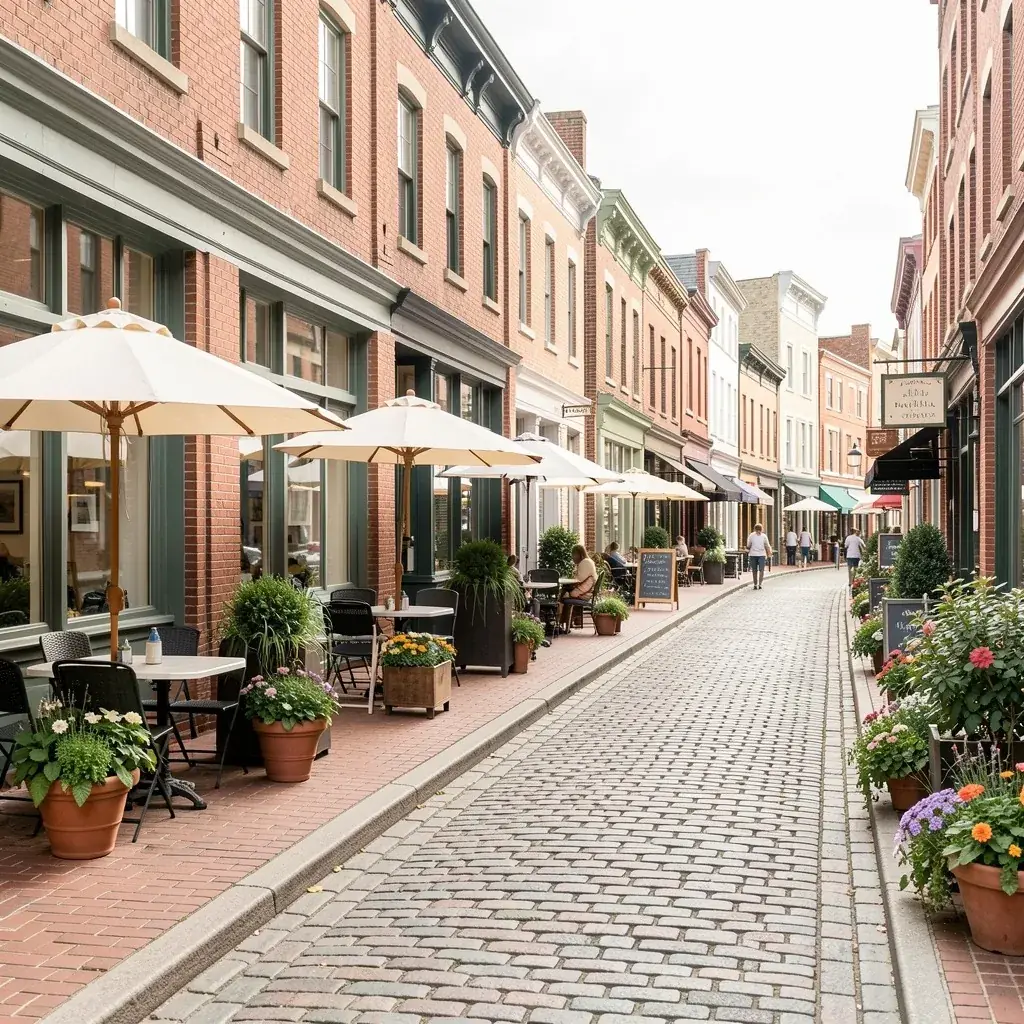
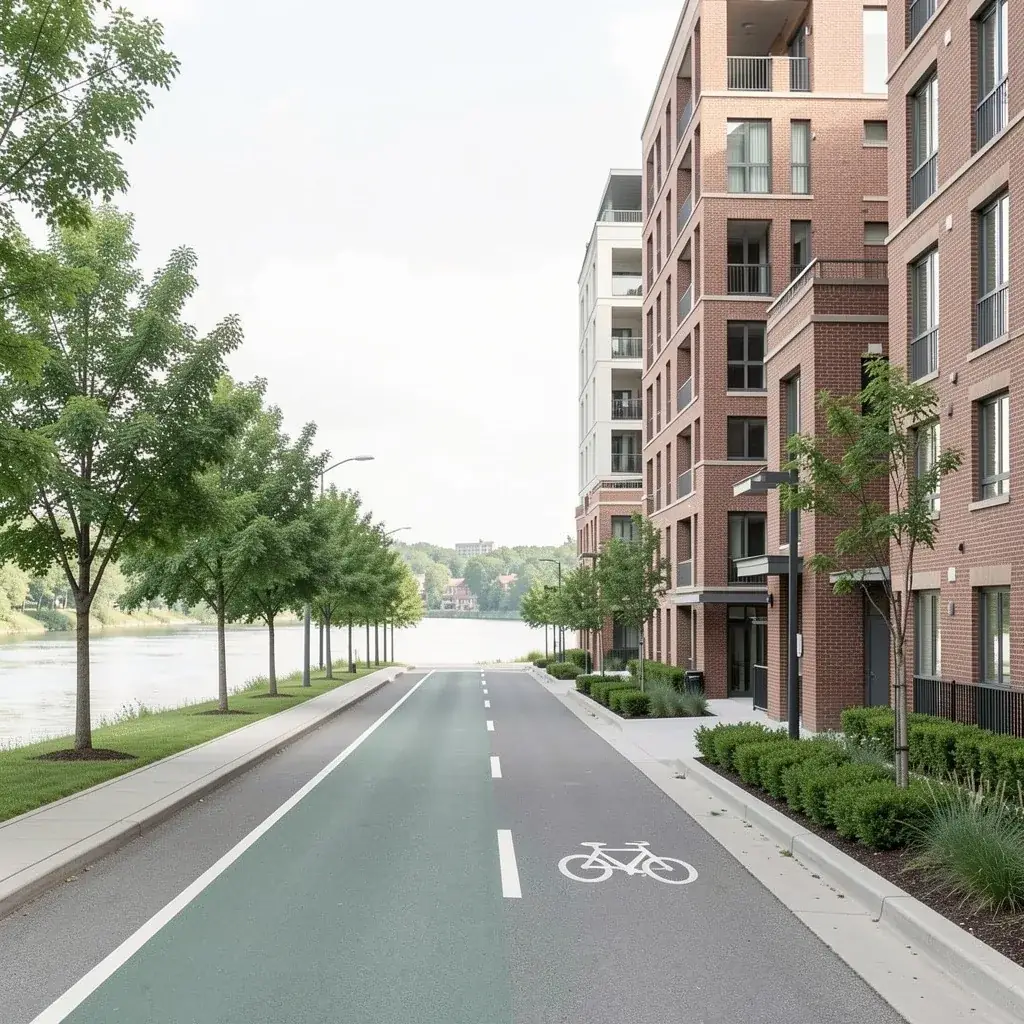
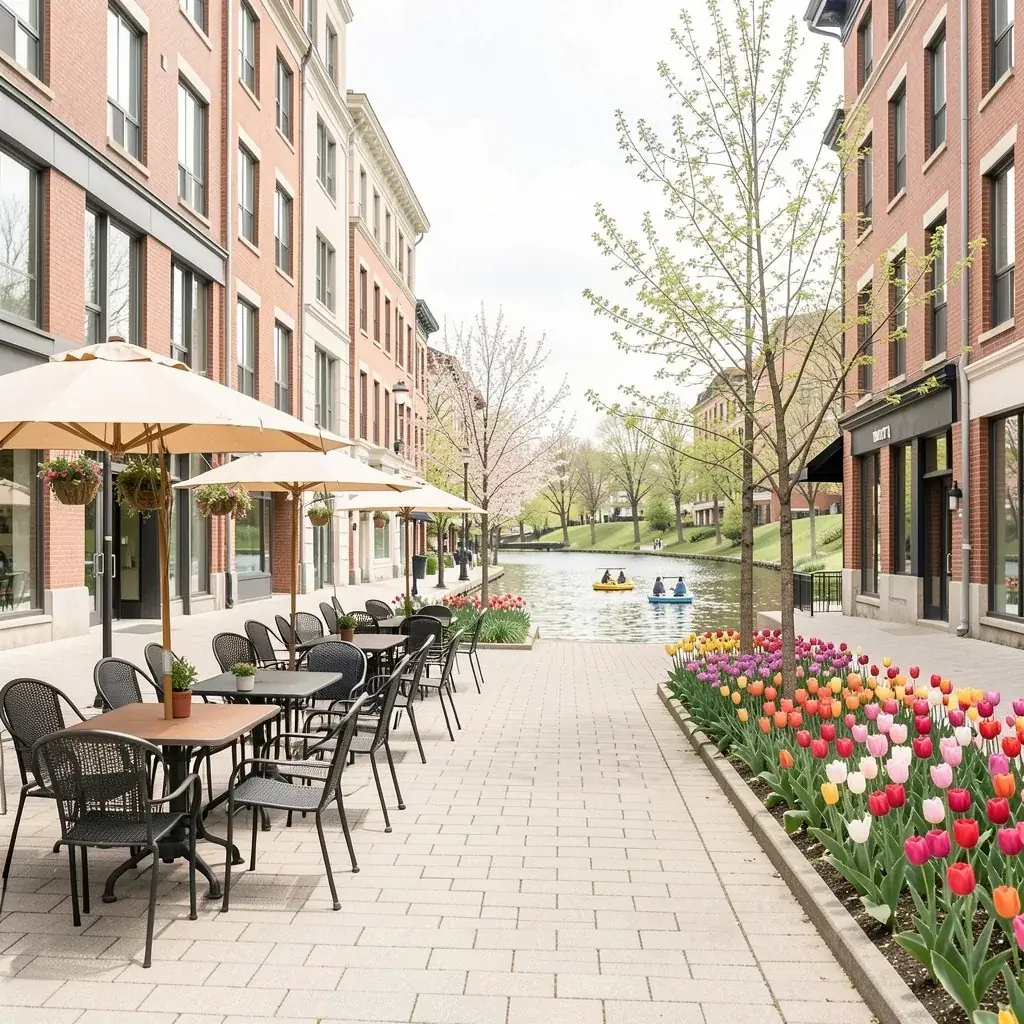
What condo living in Ottawa looks like
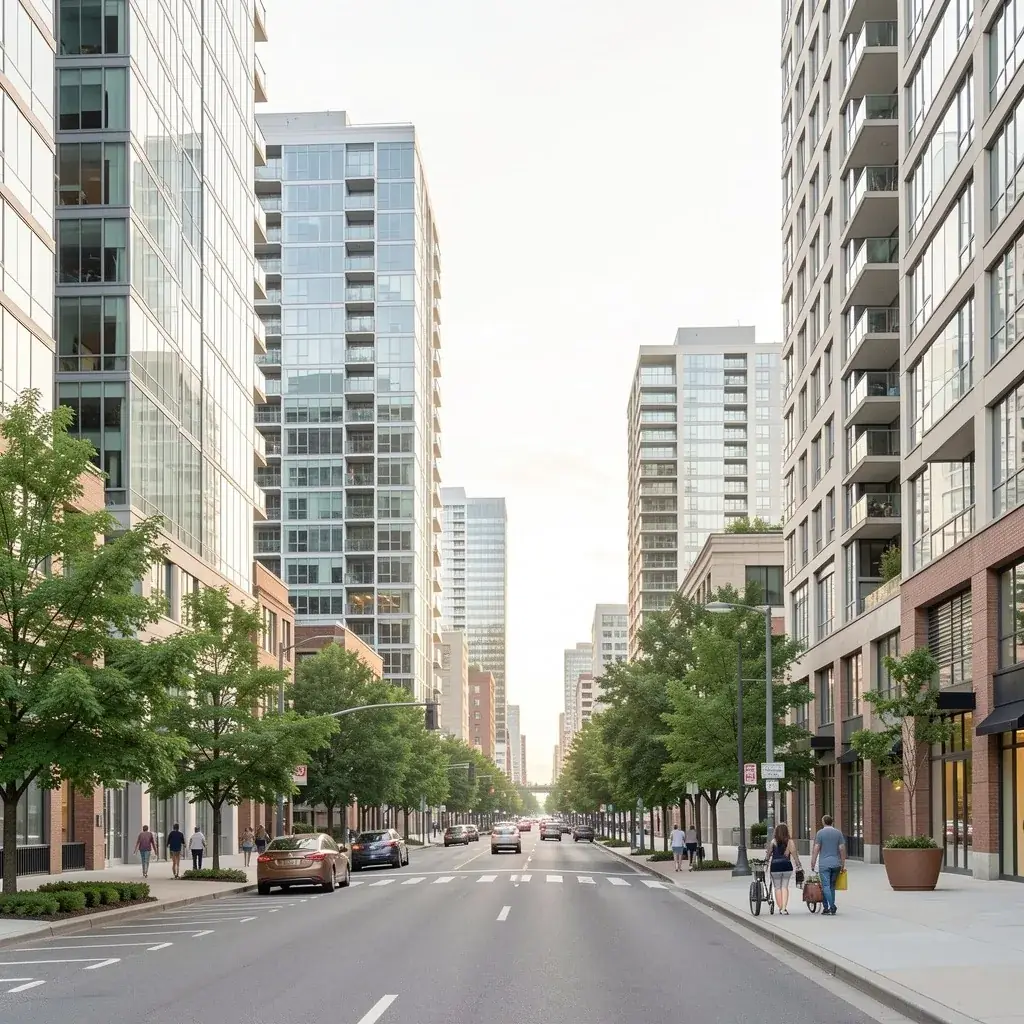
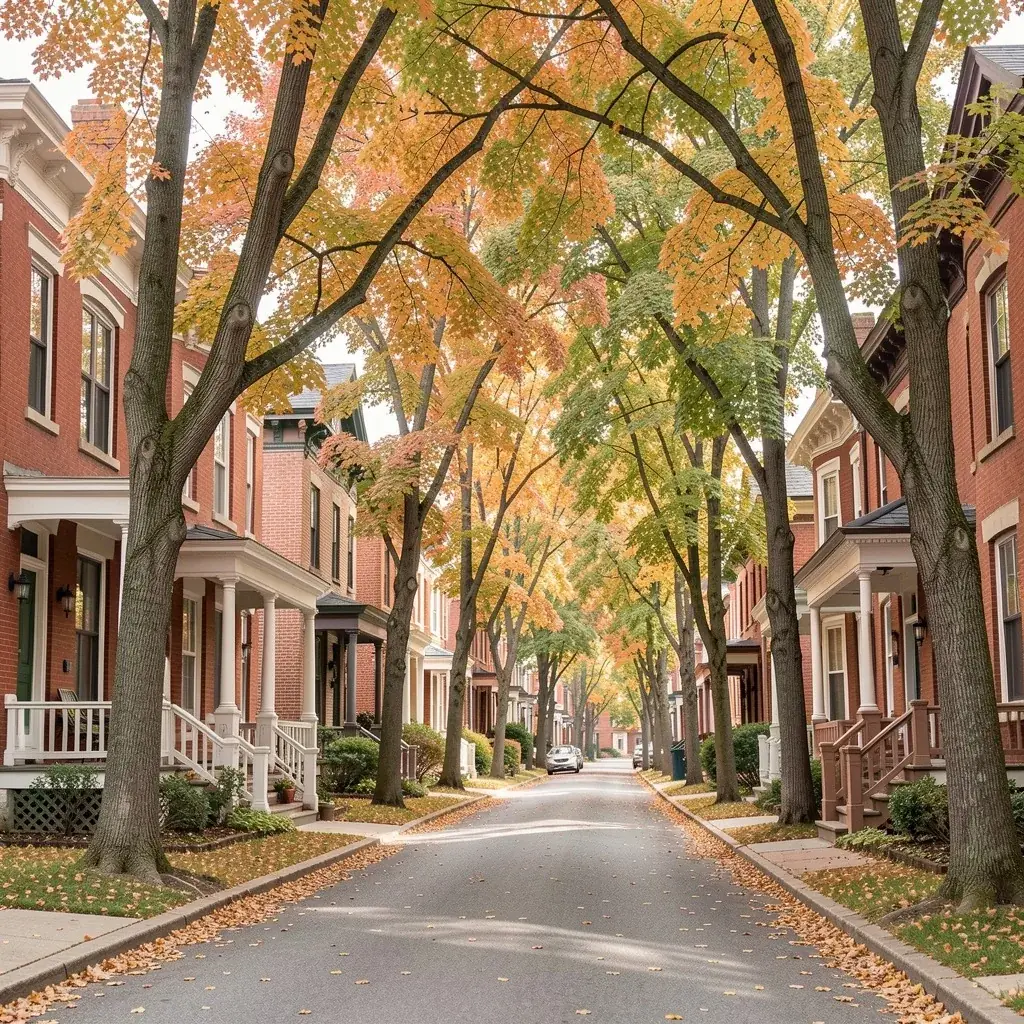
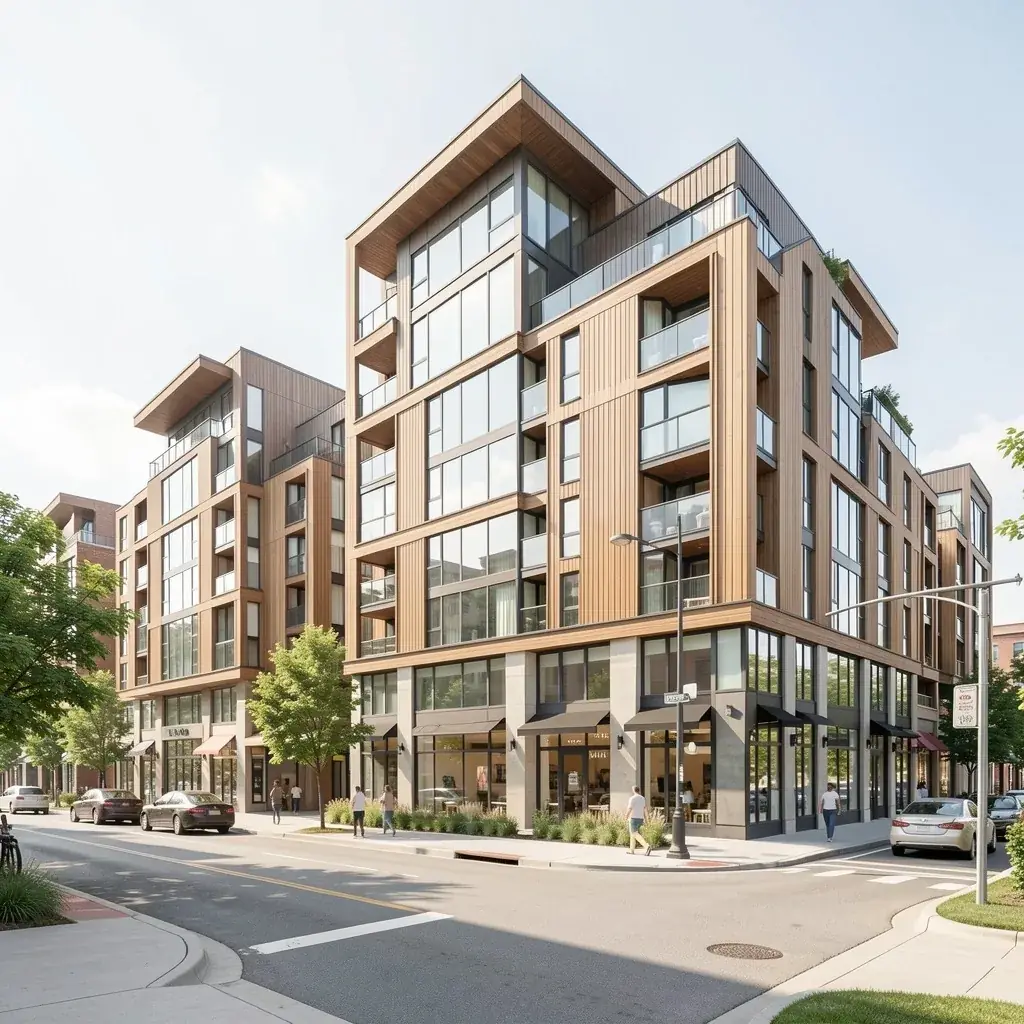
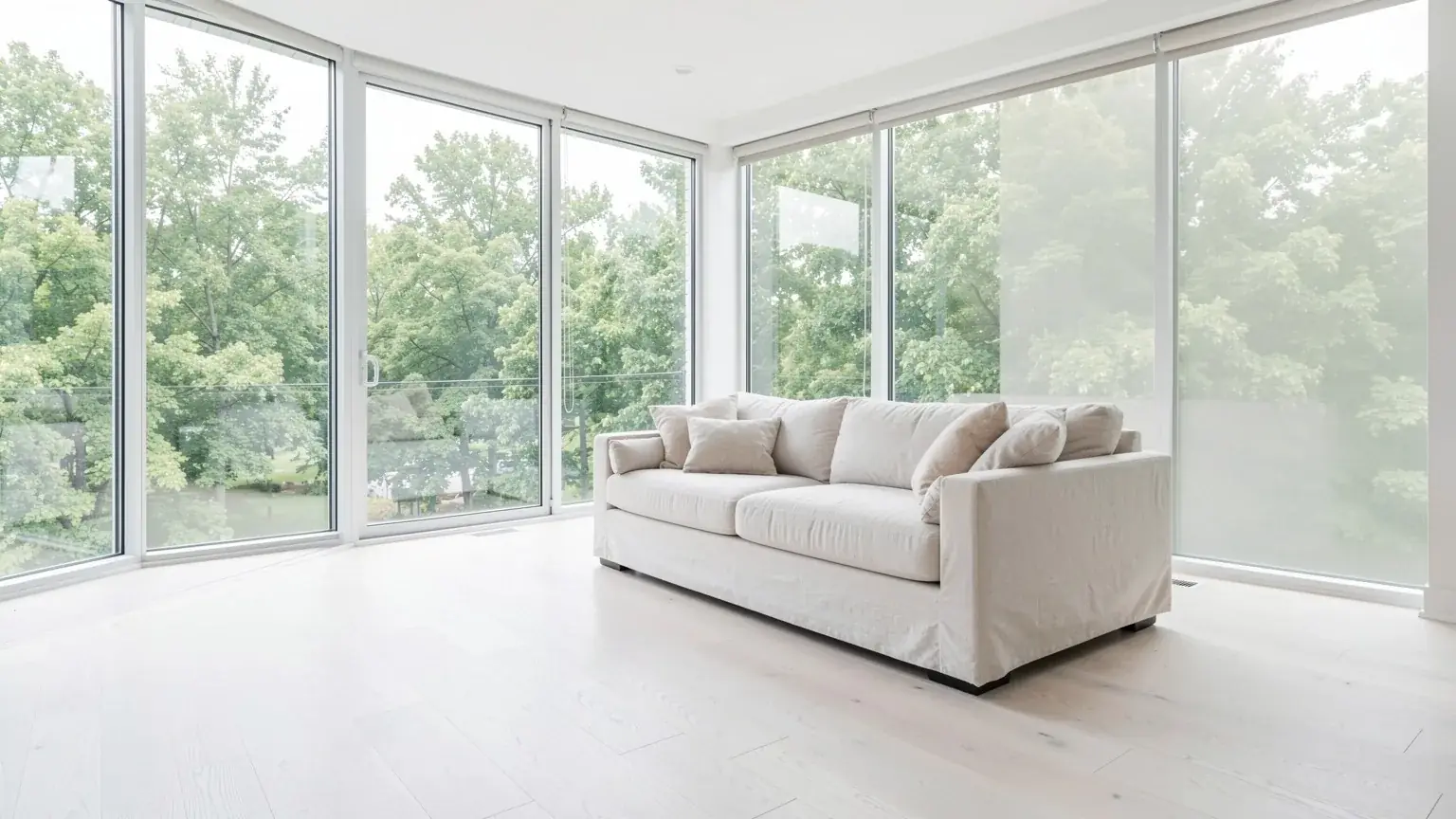
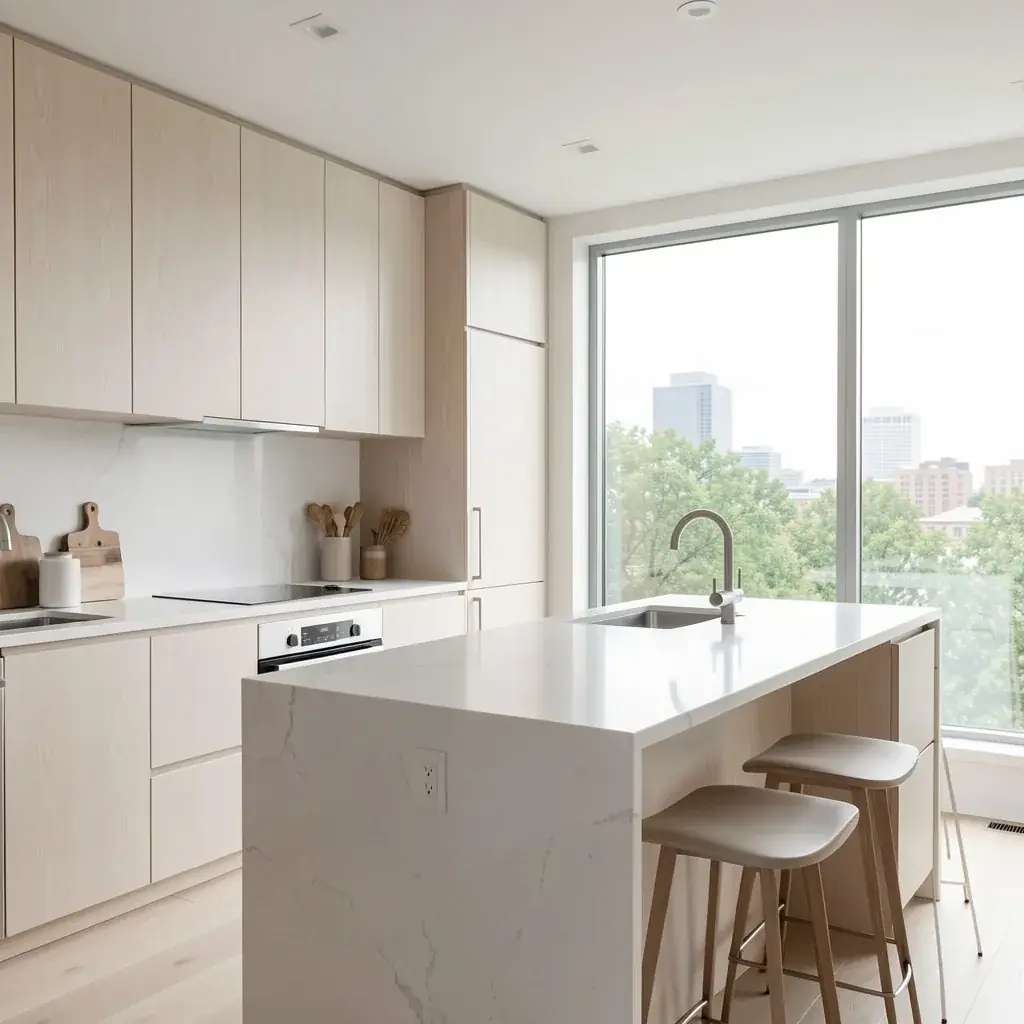
Most of the city's condos are boutique mid-rises with ground-floor shops, not towers. Here is what tends to come with the keys.


Mid-rise or high-rise
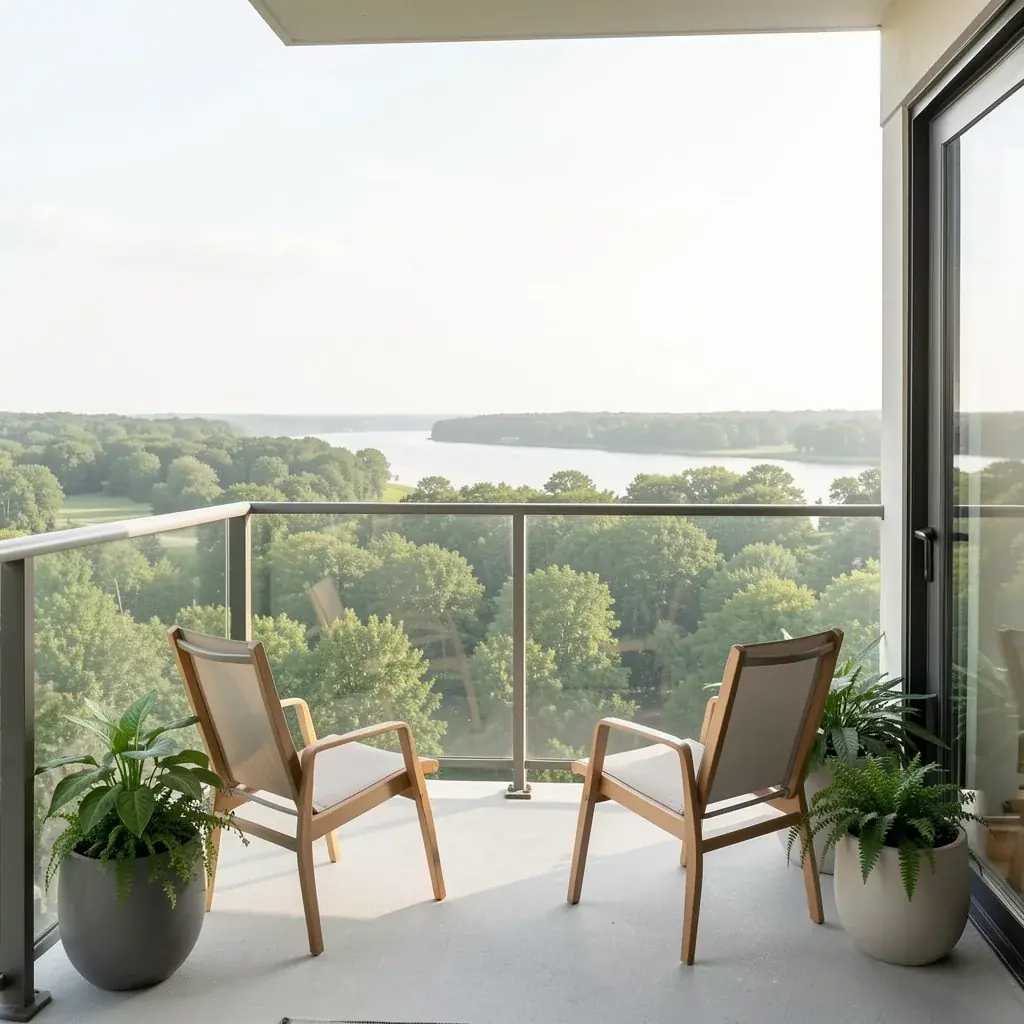
Four to nine storeys means fewer neighbours, lower fees and a street you can read from the balcony. Towers trade that for views, a gym and a pool.
What the fee covers
Building insurance, the reserve fund, common areas and management. Water is often in, heat and hydro vary by building. Compare what is inside the number.
Parking and lockers
In the core, a parking spot and a locker are often sold separately and can be rented out. In the suburbs they usually come with the unit.
Rules worth reading
Pet limits, short-term rental bans, balcony and barbecue rules all live in the declaration. Read them before you fall for the kitchen.
Buying a condo in Ottawa, step by step
Five moves in order. Skip one and the others get expensive.
Get pre-approved
Lenders count condo fees against your budget, so a $600 fee changes what you can borrow. Know the ceiling before you look.
Pick the corner
Walk it at 8 a.m. and 10 p.m. Check the transit, the grocery run and the noise. The directory on this site is built for that comparison.
Read the status certificate
Budget, reserve fund study, rules, insurance, lawsuits. Make the offer conditional on it and have a lawyer read it with you.
Inspect the building, not just the unit
Garage, roof, windows and elevators are shared costs. A clean unit in a tired building still means special assessments.
Budget the closing costs
Ontario land transfer tax, legal fees, title insurance and adjustments. First-time buyers can claim a provincial rebate on the tax.
This guide is general information for Ontario buyers, not legal or financial advice. Rules and rebates change, so confirm the details with your lawyer and lender before you sign.
Open space comes with the address
Ottawa is a city of corners where streets end at water. Wherever you buy, some of this is within a walk.


Rideau Canal
Pathways on both banks for cycling and running; the world's largest skating rink when it freezes.

Rideau and Ottawa rivers
Nature trails, beaches and paddling from Old Ottawa East to Westboro and Orléans.

Footbridges and parks
Pedestrian bridges stitch the canal neighbourhoods together, and Gatineau Park is a short ride across the river.




Getting around without the car
Transit and bike access are the quiet difference between a condo that works and one that feels far away.

O-Train
Line 1 runs east to west through downtown; Line 2 heads south past Carleton. Stations near the core add a premium to prices, and to resale.

Bike lanes and pathways
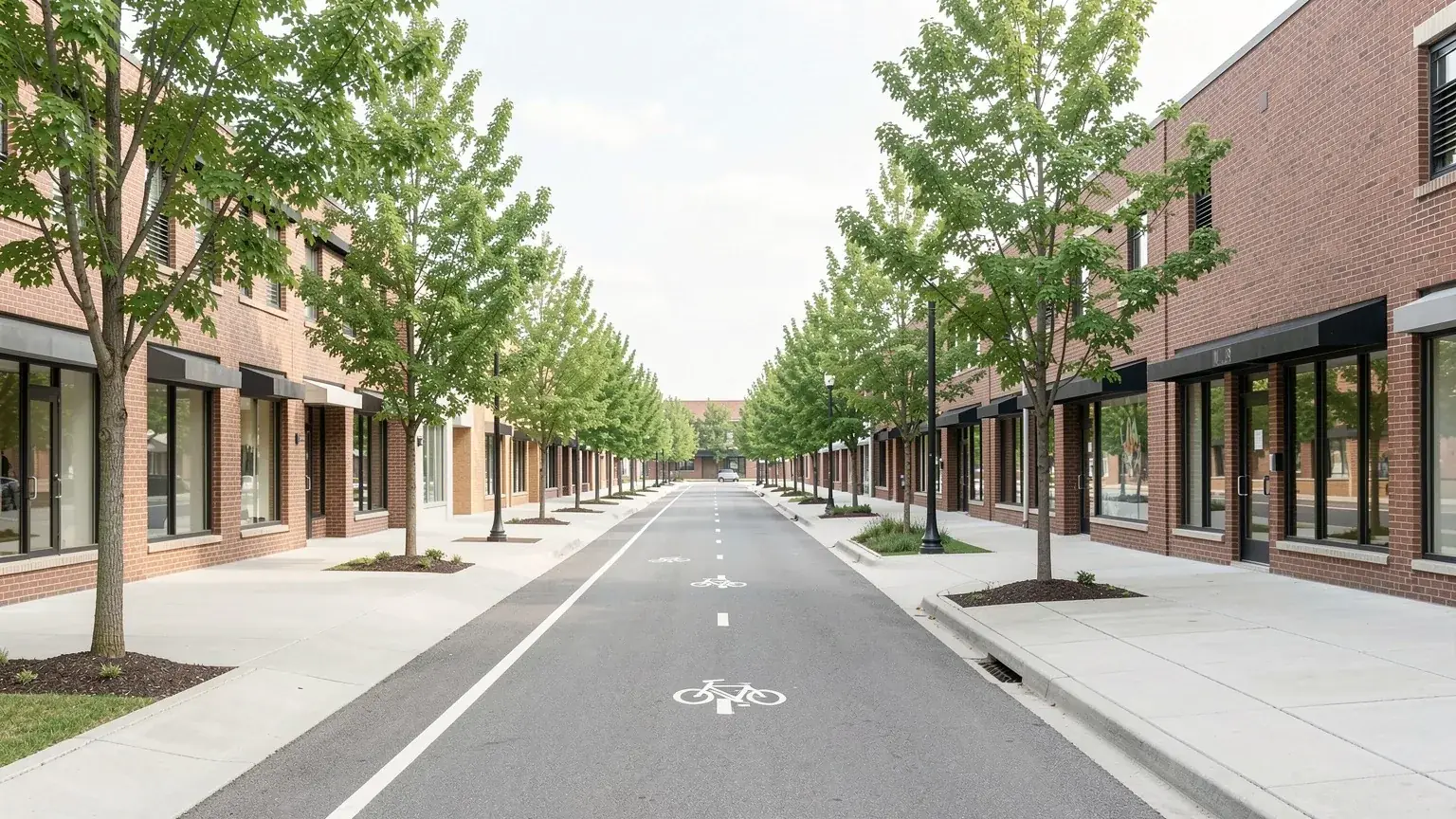
Separated lanes on Main, Laurier and O'Connor join the canal and river pathways, so a downtown commute by bike is routine from spring to fall.
Walkable main streets
Bank, Wellington West, Richmond Road, Preston and Beechwood each anchor a neighbourhood with groceries, cafés and a pharmacy on foot.
Questions people ask before buying in Ottawa
Is Ottawa a good city for condo living?
Which Ottawa neighbourhoods are best for a first condo?
What do condo fees in Ottawa cover?
What is a status certificate and why does it matter?
Do I need a car to live in an Ottawa condo?
Mid-rise or high-rise: which is better in Ottawa?
Get the Ottawa condo buyer's checklist
One page: what to ask the listing agent, what to look for in the status certificate and the closing costs to budget. Tell us where you are in the search and we will send the right version.
- Written for Ontario rules, updated for 2026
- Neighbourhood notes for the corners you pick
- No listings and no follow-up calls
Checklist on its way
Check your inbox within one business day. If it is not there, look in promotions or spam.